

Fall Nourishment: Caring for Mood as the Days Grow Shorter

Seasonal foods, essential nutrients, and simple ways to make time for sunlight.
Fall changes more than the landscape. The light fades earlier, our routines shift, and some of us notice changes in energy, sleep, or mood. Fall invites us to notice the changing light and to pay attention to how we nourish ourselves as we spend increasingly more time tucked away indoors.
For some of us, shorter days bring a welcome sense of quiet. For others, they bring lower energy, more sleep, or a change in mood. When those changes become persistent and return during the darker months, they may be signs of seasonal affective disorder (SAD), a form of depression connected to the seasons.

As we come to any seasonal transition, it’s part of holistic and preventative medicine to ask yourself a simple question: What kind of nourishment do I need now?
Let’s look at two ways we can greatly support and nourish ourselves during the darker seasons: food and sunlight.
What’s on your Plate?
Food is a very potent place to begin. No single nutrient can prevent the “winter blues” or treat seasonal affective disorder (SAD), but getting enough of certain nutrients supports the brain and body - and a deficiency can sometimes leave us feeling tired, foggy, or unlike ourselves.
If you have concerns about your intake or absorption, ask your healthcare professional to check your nutrient levels. A little awareness now can help you care for yourself through the seasons.

Nutrients to check in with this season & food sources
Vitamin D: As our days outdoors change, consider where vitamin D appears in your meals. Salmon, trout, tuna, and other fatty fish are among the best natural food sources. Eggs, UV-exposed mushrooms, and fortified milk or plant milk are options for people who don’t eat seafood. Check labels, since vitamin D content varies.
Vitamin B12: Meat, seafood, eggs, and dairy provide B12. Especially worth attention if you eat little or no animal food. Vegans can look for foods specifically fortified with it, such as some nutritional yeasts, cereals, and plant milks. A B12 deficiency can affect energy and mood.
Iron and folate: Beef, lentils, beans, and leafy greens bring both to a warming fall meal. Low levels can contribute to fatigue and difficulty concentrating. Pair plant sources of iron with tomatoes, bell peppers, or a squeeze of lemon to help your body absorb iron from plant foods. Low iron or folate can contribute to fatigue and difficulty concentrating.
Omega-3 fats and magnesium: Salmon and sardines provide the omega-3 fats EPA and DHA. Walnuts, ground flaxseed, and chia provide a different omega-3 fat called ALA. For magnesium, think pumpkin seeds, beans, whole grains, and leafy greens.
A little note on UV-exposed mushrooms: Whether they are organic or conventional, the vast majority of commercially grown mushrooms are cultivated indoors in dark, climate-controlled rooms. Unless the packaging explicitly states otherwise, they have not been treated with ultraviolet light and contain very little to no vitamin D.
Check Labeling: Commercial growers pulse harvested white button, cremini, or portobello mushrooms with precise ultraviolet light to convert plant sterols into Vitamin D2. Check package labels for explicit Vitamin D claims.
DIY: Slice your fresh store-bought mushrooms to increase the surface area exposed to light. Place the slices gill-side up in direct midday sunlight (ideally between 11:30 AM and 2:30 PM) for 30 - 60 minutes.The created Vitamin D2 remains stable during normal cooking and stays retained in the refrigerator for up to a week.
Make room for Daylight
As the days grow shorter, spending time outdoors can help us stay connected to the light that guides our sleep–wake rhythm and influences alertness and mood. Sunlight can also help the skin make vitamin D, a nutrient involved in normal immune function, although the amount we make varies. In Ayurveda, this is a season to tend our ojas - our sense of nourishment and resilience - through steady routines, satisfying meals, rest, and time in nature. Even a morning walk or a few quiet moments outside can be a gentle way to welcome light into your day.
Read more about Ojas here.
Enjoy your tea outside, take a walk, or step into the garden when you can. Outdoor light can help support your daily rhythm. Continue to protect your skin from too much sun.

Making the most of Fall’s sunlight:
For your body clock and sleep-wake cycle, step outside in the morning light (6:30 - 9am), ideally soon after waking for about 10 - 30 minutes. This will boost energy and support a natural cortisol spike and serotonin production.
For vitamin D, sunlight is generally more effective when the sun is higher in the sky, around midday (10am - 3:30pm) - make sure this is short, safe exposures of 10 to 15 minutes to avoid skin damage or sunburn.
Late afternoon sun exposure (4 - 6:30pm) for about 15 - 30 minutes will again help with circadian rhythm, it will provide a relaxing low-risk way to unwind and signal evening melatonin production.
A great way to incorporate this if possible, is to take a short brisk walk after lunch and dinner, which helps support digestion, boosts mood and provides important cues to your circadian rhythm. Also, getting outside shortly after waking is one of the best ways to reset your body clock and boost your mood. Even if it’s just 10 minutes! Good time to water your garden or drink your morning hot tea.
Click here for more on the sleep-wake cycle (aka the light-dark cycle).
Fall Meals to Nourish Body and Mind
As the air grows cooler, Fall invites us back to warm, satisfying meals. Think roasted roots, hearty grains, leafy greens, warming spices, and proteins that suit the way you eat. The meal ideas below offer simple ways to bring variety and nourishment to your table, whether you enjoy meat, seafood, eggs, or plant-based foods.
A Fall bowl is an easy way to make a warm, nourishing meal that fits the way you eat. Start with quinoa or brown rice, add roasted squash and carrots, then tuck in sautéed kale or other greens. For protein, choose spiced beef or chicken, baked salmon, an egg, or a hearty scoop of lentils or chickpeas. UV-exposed mushrooms are another lovely addition, especially for a plant-based bowl, and can provide vitamin D when labeled as such. Finish with toasted pumpkin seeds, a drizzle of oil, and a squeeze of lemon. The result is colorful, comforting, and full of variety - just what many of us crave as the days grow cooler and darker.
Here are two more cozy fall recipes that supply pertinent nutrients and offer easy choices for different diets.
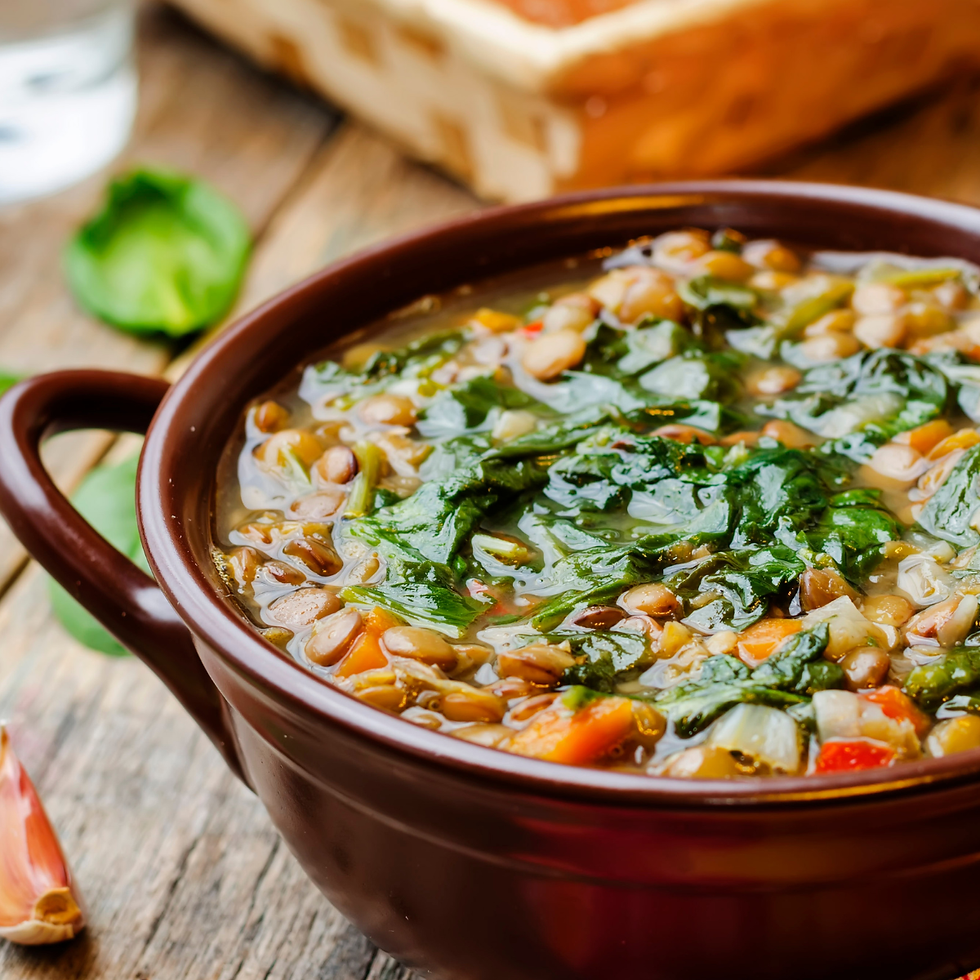
1. Golden Lentil, Mushroom & Spinach Soup
Serves 4
Ingredients: 1 tablespoon olive or avocado oil, 1 diced onion, 2 sliced carrots, 2 minced garlic cloves, 1 teaspoon grated ginger, 1 teaspoon cumin, ½ teaspoon turmeric, 1 cup rinsed red lentils, 5 cups vegetable broth, 8 ounces sliced UV-exposed mushrooms, 3 large handfuls spinach, and lemon juice to finish.
To make: Sauté the onion and carrots in oil for 5 minutes. Add the garlic, ginger, cumin, and turmeric; stir for 1 minute. Add the lentils, broth, and mushrooms. Simmer for about 20 minutes, until the lentils are soft. Stir in the spinach until wilted, then add lemon juice to taste.
Make it your own: This version is vegan. For a meat eater, add cooked shredded chicken at the end. Serve with a spoonful of plain yogurt if you eat dairy.
2. Roasted Sweet Potato & Greens Breakfast Skillet
Serves 2
Ingredients: 1 medium sweet potato, diced; 1 tablespoon avocado oil; ½ teaspoon smoked paprika; 2 cups chopped kale or Swiss chard; 2 eggs; ½ avocado; 2 tablespoons pumpkin seeds; and a squeeze of lemon.
To make: Toss the sweet potato with half the oil and paprika, then roast at 425°F for 20–25 minutes, until tender. Remove the middle spine of the greens, then chop and sauté them in the remaining oil until wilted. Divide the sweet potato and greens between two bowls and top each with an egg cooked to your liking, avocado, pumpkin seeds, and lemon.
Make it your own: For a vegan version, replace the eggs with warm black beans or crumbled tofu. For seafood eaters, add a little cooked salmon. For meat eaters, add leftover chicken or turkey.
This skillet offers a simple way to bring greens, seeds, and a satisfying breakfast into a cooler morning.

Nourishment also comes from the rhythm around the meal: stepping outside during daylight, eating regularly, and giving yourself space to rest and connect with others. If low mood returns each season or begins affecting daily life, reach out for support - there may be more going on than a nutrient gap.
Ayurveda encourages us to observe what changes around us and respond with care. As Fall draws us inward, we can tend to our roots with warm meals, steady rhythms, time in nature, and honest attention to how we feel.
For more Fall-focused topics and natural remedies, see my catalog of posts here.


Comments